I’m often asked about the difference between Design Thinking and Wardley Mapping. Put simply: Design Thinking focuses on the way the world could be, while Wardley Mapping focuses on the way the world is.
They are complementary approaches that, when used together, maximise their power.
Design Thinking excels at imagining futures customers might want. Through close observation of users, rapid prototyping, and continuous iteration, it reveals how to design and build something new.
But what if you’re designing and building the wrong things?
For example: In 2011, an insurance company faced a persistent problem: new computer servers they bought didn’t fit in the racks in their data centre (this was pre-cloud). Each new installation required expensive, time-consuming modifications. Their solution was to invest millions in robots to automate this inefficient process.
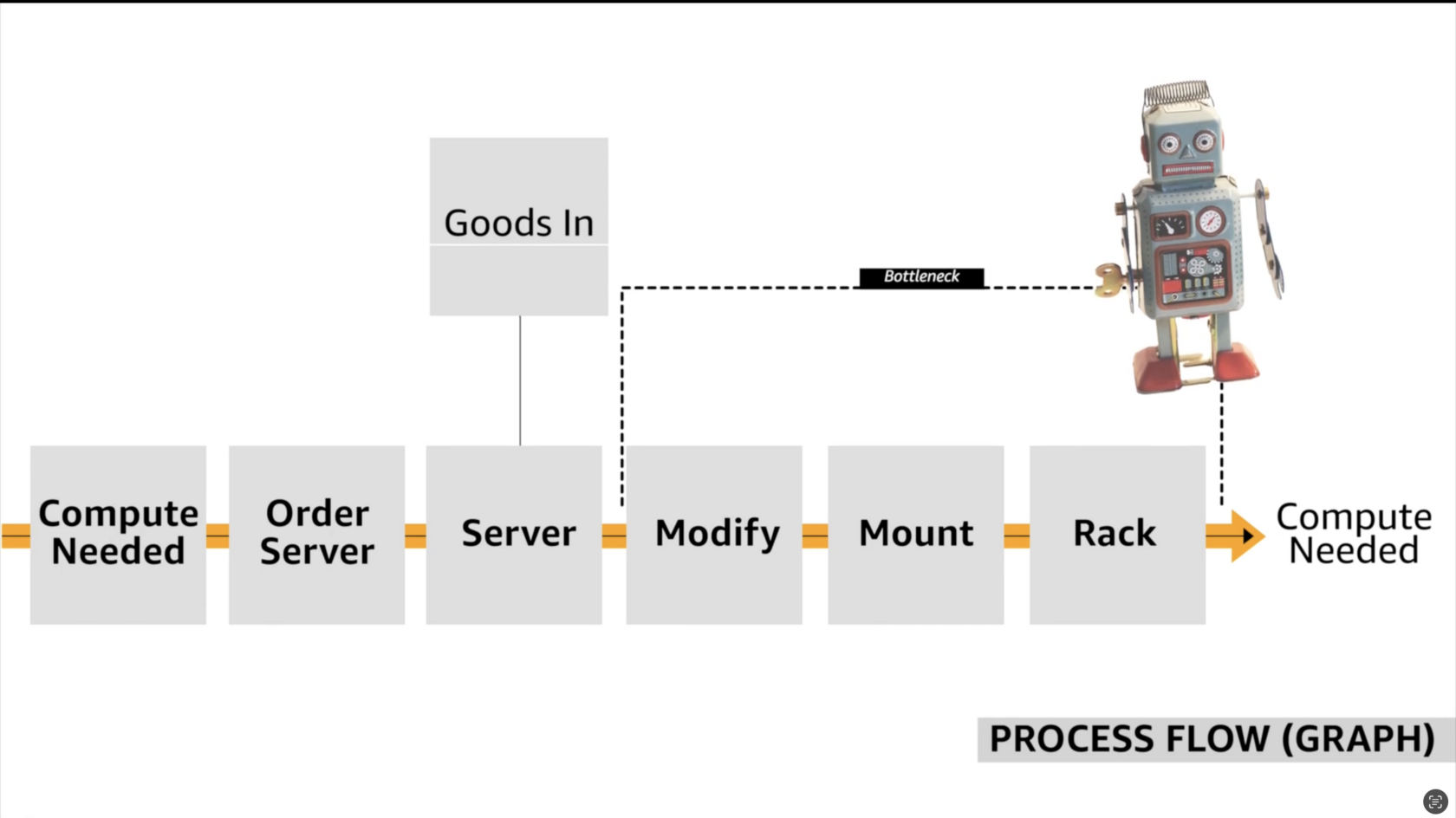
For six months, they refined the plan and the ROI looked solid. Then they asked Simon Wardley — the creator of Wardley Maps — to take a look. Together they quickly mapped out this situation and Simon provided a bit of challenge.
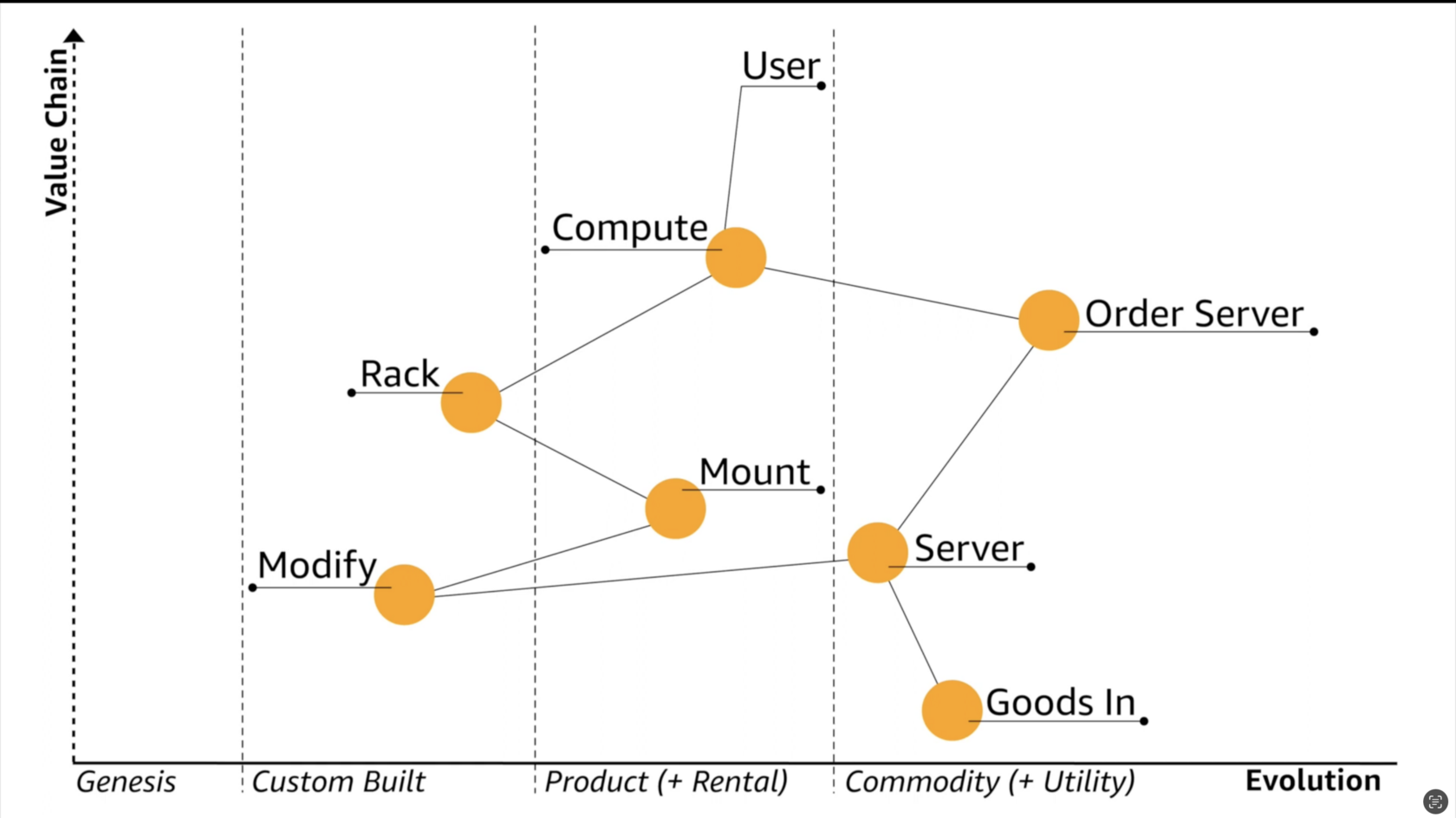
“Why have you put ‘racks’ in the custom-built phase?” he asked.
“Because they're specially designed for us” the insurer replied.
“What ‘modifications’ are you making?”
“New servers don’t fit our racks. We have to remove the cases, drill new holes, and add mounting plates.”
“And you need robots to make this process more efficient?” Simon clarified.
“Exactly!”.
Then, someone in the room — seeing the landscape clearly for the first time on a map — asked the obvious question: “Why don’t we just use standard racks — then we wouldn’t have to modify them?”
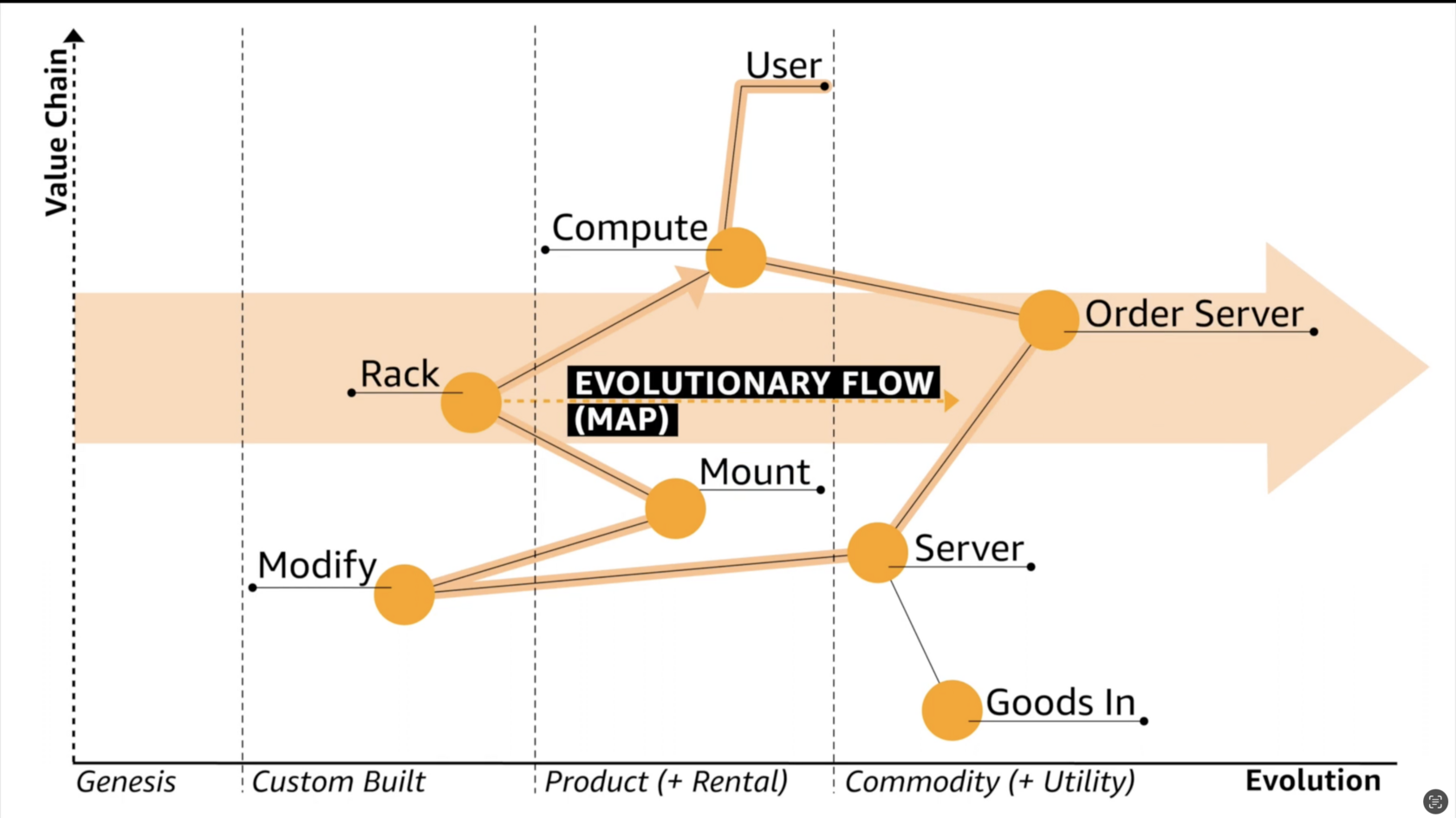
In that moment, the entire robot initiative evaporated. The solution wasn't automating the process, but eliminating it entirely. Yet this company wasn’t stupid — they’d just been trapped into designing a solution to a problem they wouldn’t have had if they’d been able to see their landscape first and challenged some assumptions.
This error — wasting resources solving the wrong problem — is surprisingly common.
Take Google+ launched in June 2011 as a technically superior social network. Yet, if Google had mapped out the social media landscape they would have seen a market dominated by entrenched platforms (Facebook, Twitter) where network effects mattered far more than incrementally-improved technical features.
Google designed a better solution — but it answered a question that, strategically, no longer mattered.
The danger of using Design Thinking without a guiding map is that it can lead to building the wrong things, pulling your organisation in too many directions. Chasing every interesting user signal and expanding into every adjacent space adds layers of complexity to your organisation, dilutes focus and can cause your brand to lose clarity in the eyes of your users.
This is why Design Thinking and Wardley Mapping are not competing ideas. They are complementary.
Wardley Mapping shows you where to build. Design Thinking shows you how to build. Together, they ensure you don’t just build things right — but build the right things as well.