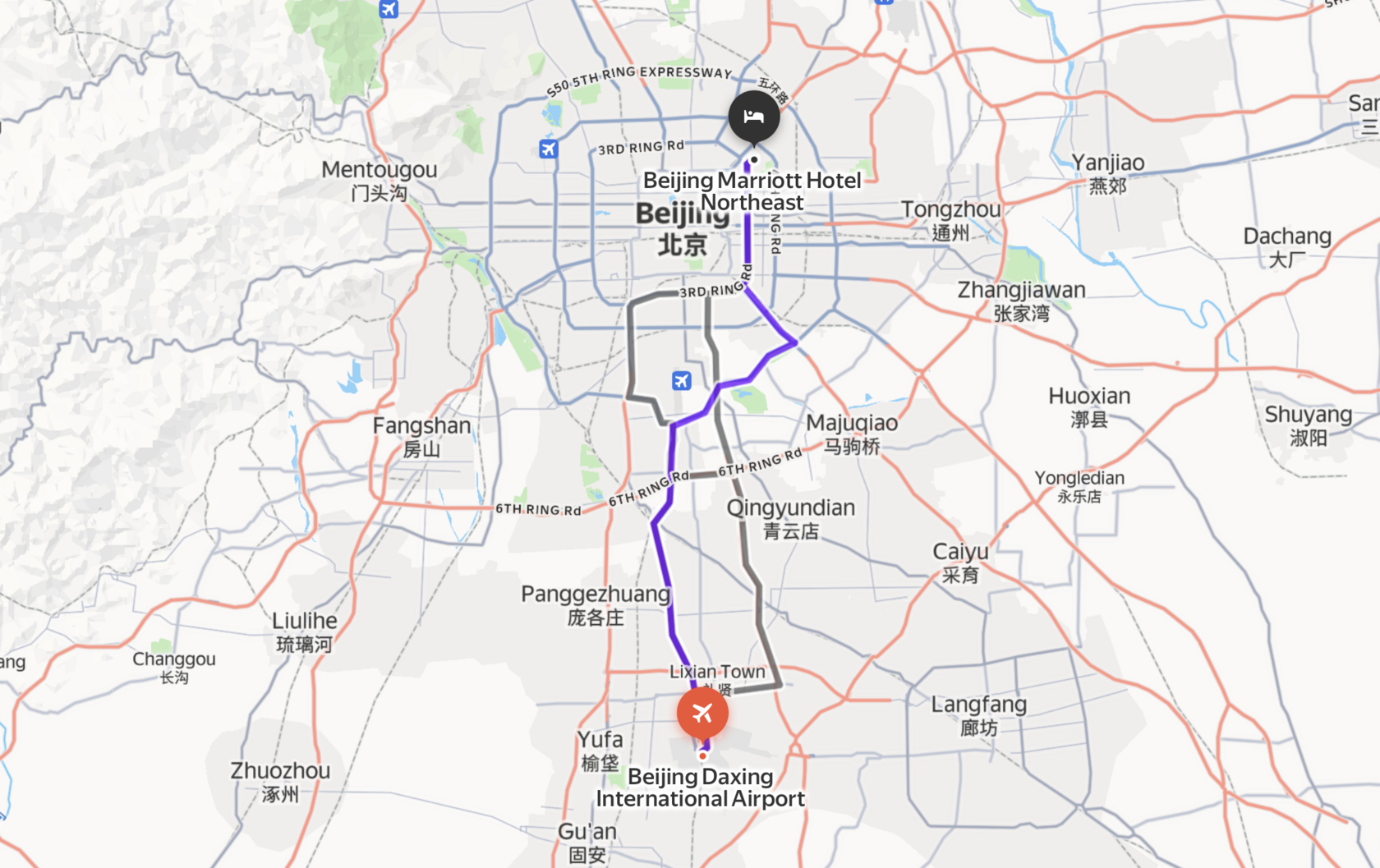
Imagine you’ve just landed at a foreign airport. You hire a car to drive to your hotel, but you don’t have a map and have no idea how to get there. So you decide to drive really fast — hoping speed will make up for lack of direction.
No-one would do this in real life. So why do we do it in business?
Businesses lack maps. And without direction the moves we make can take us further in the wrong direction. But in unfamiliar situations — for example, the impact of AI on our industry — many of us are still racing to act, even though we have only the vaguest sense of where we’re going.
When we don’t know where we’re going, no direction is favourable.
Why This Over That
When making decisions about what to do next, tactical leaders focus first on rigorous execution — driving really fast. Strategic leaders take time to identify the right direction first — making sure the direction they head in will get them to their destination. In this series we’ve covered how to do this, step by step:
Yet means are always finite — we have to decide what moves we will and won’t make. But rather than using gut instinct, strategic leaders look to pressure-test the options they have — inviting talent to ask challenging questions that must be answered. For example:
Is this desirable — Is this something users will pay for? Will they do so in sufficient numbers?
Is this feasible — Do we have the capabilities to do this? Do we have the resources to acquire them?
Is this viable — Will we be able to capture the value we create? Or will rivals swoop in and take it from us?
Challenge drives research, the results of which are presented to the leader with final decision-making accountability to choose the moves they have most confidence in. Then they communicate their reasoning — “we chose these moves over those for these reasons” — so talent understands what we’re doing and why.
We now have a clear direction of travel — in other words, a strategy.
Quick Test
Think of a major strategic initiative in your organisation.
Can you explain why you chose this over the alternatives?
If not, you may be hoping that brilliant execution (driving fast) makes up for a lack of strategy (direction).
What Next?
Turning strategy into action.
To follow this series join the Telegram channel t.me/wardleymapping
Or subscribe to the blog https://powermaps.net/blog
If you found this post useful consider sharing it with others.
And if you’d like to think and act strategically in your organisation explore more here: https://powermaps.net
No-one would do this in real life. So why do we do it in business?
Businesses lack maps. And without direction the moves we make can take us further in the wrong direction. But in unfamiliar situations — for example, the impact of AI on our industry — many of us are still racing to act, even though we have only the vaguest sense of where we’re going.
When we don’t know where we’re going, no direction is favourable.
Why This Over That
When making decisions about what to do next, tactical leaders focus first on rigorous execution — driving really fast. Strategic leaders take time to identify the right direction first — making sure the direction they head in will get them to their destination. In this series we’ve covered how to do this, step by step:
- Owners set and communicate their grand strategy: what they want the business to achieve
- Leaders break the grand strategy down into missions: aims to achieve and problems to solve
- Talent develops situational awareness: understanding how their landscape is changing
- And identifies leverage points they can exploit by making unique moves.
Yet means are always finite — we have to decide what moves we will and won’t make. But rather than using gut instinct, strategic leaders look to pressure-test the options they have — inviting talent to ask challenging questions that must be answered. For example:
Is this desirable — Is this something users will pay for? Will they do so in sufficient numbers?
Is this feasible — Do we have the capabilities to do this? Do we have the resources to acquire them?
Is this viable — Will we be able to capture the value we create? Or will rivals swoop in and take it from us?
Challenge drives research, the results of which are presented to the leader with final decision-making accountability to choose the moves they have most confidence in. Then they communicate their reasoning — “we chose these moves over those for these reasons” — so talent understands what we’re doing and why.
We now have a clear direction of travel — in other words, a strategy.
Quick Test
Think of a major strategic initiative in your organisation.
Can you explain why you chose this over the alternatives?
If not, you may be hoping that brilliant execution (driving fast) makes up for a lack of strategy (direction).
What Next?
Turning strategy into action.
To follow this series join the Telegram channel t.me/wardleymapping
Or subscribe to the blog https://powermaps.net/blog
If you found this post useful consider sharing it with others.
And if you’d like to think and act strategically in your organisation explore more here: https://powermaps.net